Historical Background:
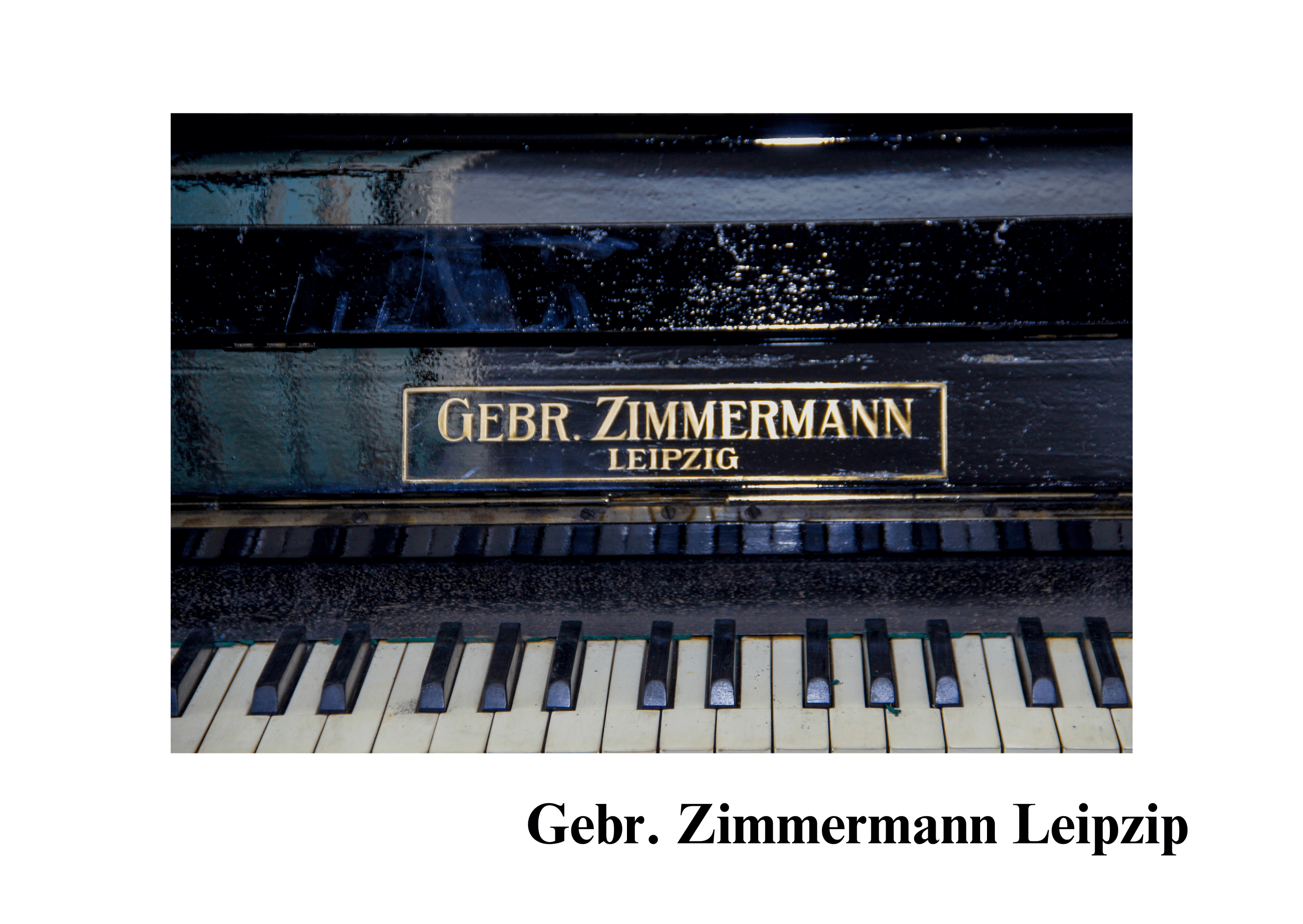
Founding: The company was established in 1853 by the Zimmerman brothers, who aimed to create pianos that combined craftsmanship with innovative design. Leipzig was a significant cultural center in Germany, known for its music and arts, which provided a conducive environment for a piano manufacturing business.
Craftsmanship and Innovation: The Zimmermans focused on high-quality materials and skilled craftsmanship. They employed skilled artisans and utilized advanced techniques to enhance the sound quality and durability of their pianos. The company was known for its attention to detail and the aesthetic appeal of its instruments.
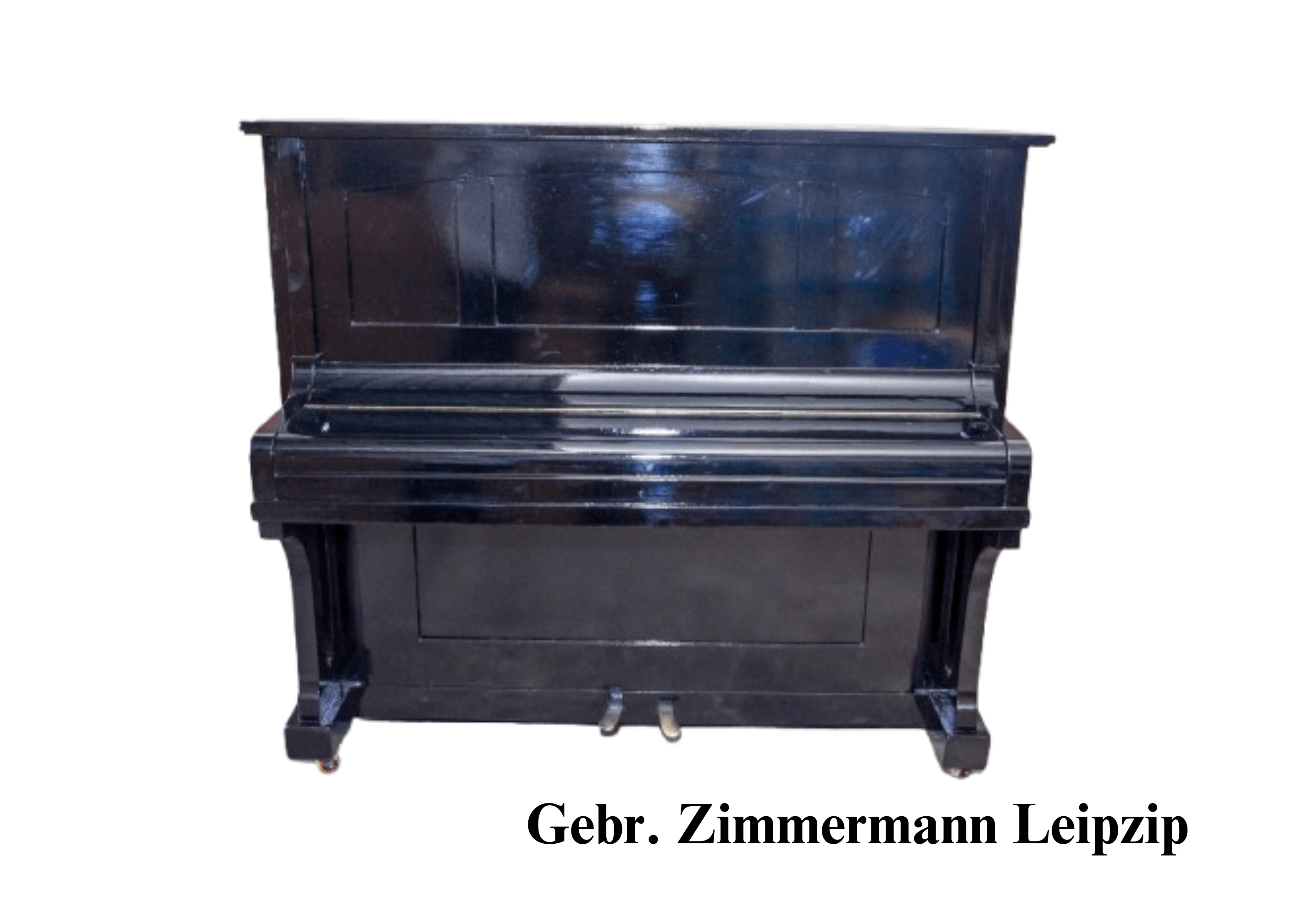
Upright Pianos: During the late 19th and early 20th centuries, upright pianos became increasingly popular due to their compact size and affordability compared to grand pianos. Gebr. Zimmerman capitalized on this trend, producing a range of upright pianos that were well-received by both amateur and professional musicians.
Expansion and Reputation: Throughout the late 19th century, the company expanded its production capabilities and gained a reputation for excellence. They participated in various exhibitions and received accolades for their instruments, further solidifying their standing in the piano industry.
Challenges and Changes: Like many manufacturers, Gebr. Zimmerman faced challenges during the World Wars and the economic fluctuations of the 20th century. The piano industry underwent significant changes, with increasing competition from mass-produced instruments and evolving musical tastes.
Legacy: Although the company is not as widely recognized today, Gebr. Zimmerman pianos, particularly their upright models, are still appreciated by collectors and musicians for their craftsmanship and historical significance. The brand represents a rich tradition of piano manufacturing in Germany and contributes to the legacy of music and instrument making in Leipzig.
Today, vintage Gebr. Zimmerman pianos are sought after in the second-hand market, valued for their quality and historical importance.